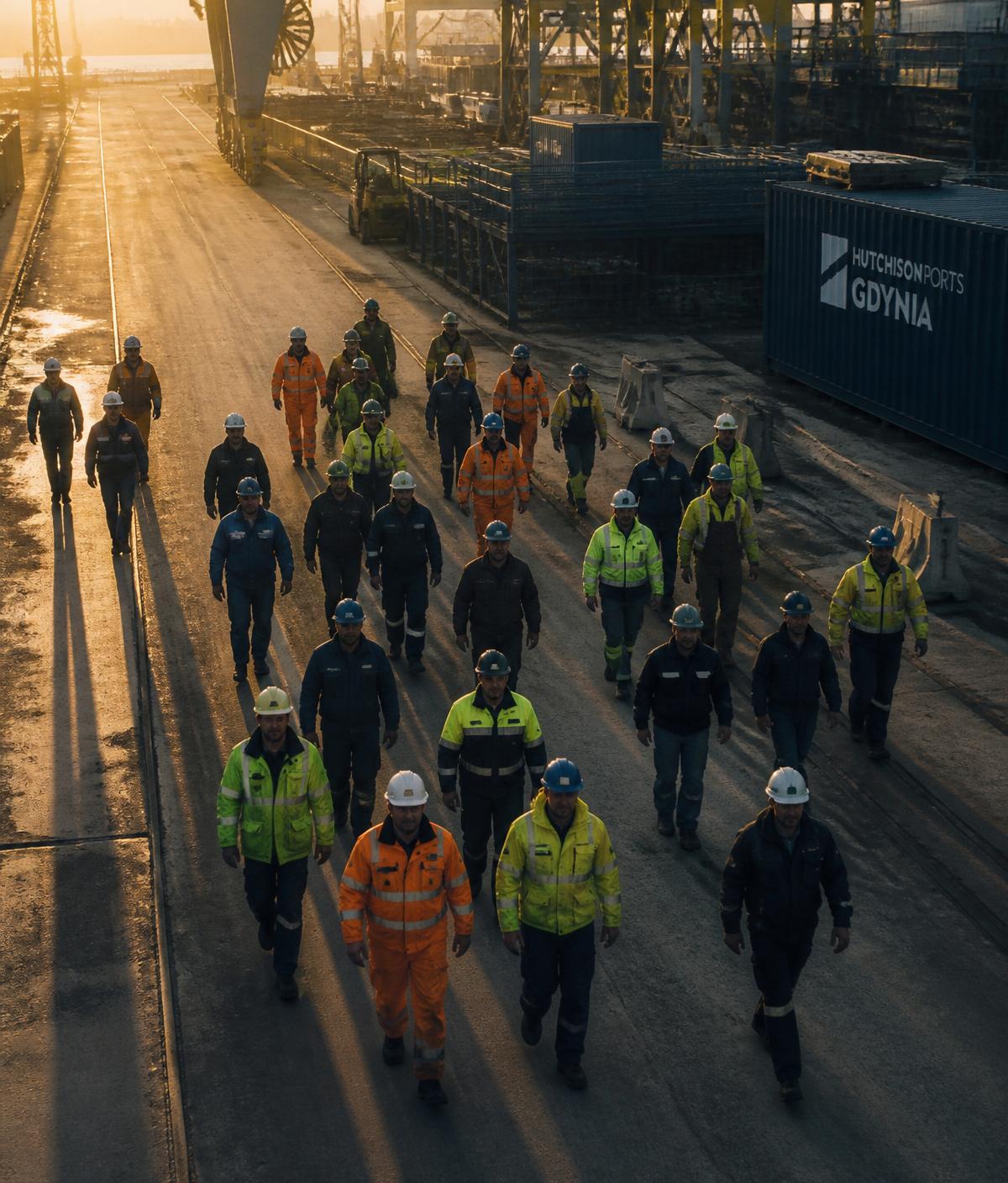
Direct answer: the best warehouse jobs in Europe for foreign workers are not always the jobs with the highest headline salary. The strongest first shortlist is usually order picker, packer or sorter, forklift or reach-truck operator, goods-in or goods-out operative, inventory controller, cold-chain warehouse operative and warehouse team leader. For UAE-based candidates, the safer choice is the role where the employer is real, the pay is legal, the permit route is explained, the documents are provable and nobody is selling a guaranteed visa.
Table of contents
- How to read this list
- Best warehouse jobs for foreign workers
- Best countries to compare first
- Documents and permit checks
- How to avoid weak offers
- FAQs
How to read this list
This guide was reviewed on 5 September 2026 against current search results and official sources. It is written for Dubai-based and UAE-based foreign workers comparing warehouse and logistics roles in Europe. It is not legal advice, it is not a job offer, and it does not promise approval, processing speed, salary, accommodation, residence or employment.
The current search results for this topic are mostly commercial visa-sponsorship pages. They usually list Germany, the Netherlands, Poland, Czechia, Belgium and the UK; show picker, packer and forklift jobs; add broad salary tables; and answer questions about sponsorship, accommodation, documents and fees. The useful pattern is clear: readers want role names, country fit and a practical application path. The weak point is also clear: many pages make broad claims about "free visa sponsorship" or fast approvals without tying those claims to the authority that actually decides the work permit.
That matters because Europe does not have one warehouse-worker visa. The European Commission explains that EU countries share some immigration rules, but national authorities make final decisions on individual applications and set conditions where there is no EU-wide rule. Your Europe also warns non-EU nationals that work rights depend on nationality, family status and the national law of the country involved. EURES can help with job and labour-market research, but EURES itself says finding a vacancy there does not remove non-EU work or residence permit requirements.
VisAVis is mentioned here only because its Dubai-to-Europe work sits close to this decision: matching candidates and employers is useful only when the warehouse role, documents and country route line up. If you are comparing live offers, use this article alongside blue-collar overseas placement, permanent placement, the broader best European countries for blue-collar jobs and the document legalisation guide.
Best warehouse jobs for foreign workers
| Rank | Warehouse role | Best fit | Main risk to check |
|---|---|---|---|
| 1 | Order picker | Fast-moving e-commerce and retail distribution | Productivity targets, shift pattern and accommodation deductions |
| 2 | Packer or sorter | Entry-level warehouse candidates | Low pay, temporary contracts and vague sponsorship promises |
| 3 | Forklift or reach-truck operator | Workers with equipment experience or certificates | Whether the certificate is accepted by the employer and country |
| 4 | Goods-in or goods-out operative | Candidates with loading, scanning and dispatch experience | Manual handling, night work and unclear overtime terms |
| 5 | Inventory controller | Workers with WMS, stock and cycle-count experience | Language level and proof of systems experience |
| 6 | Cold-chain warehouse operative | Food, pharma and temperature-controlled logistics | Health, hygiene and shift requirements |
| 7 | Warehouse team leader | Experienced candidates with supervision history | Language, payroll responsibility and whether the job qualifies |
1. Order picker
Order picker is usually the first role to compare because it appears across e-commerce, supermarket, retail, spare-parts, parcel and third-party logistics warehouses. The work is simple to understand: receive a pick list, locate stock, scan it, move it to packing or dispatch and hit a daily accuracy and productivity standard.
For foreign workers, the advantage is that employers can evaluate practical reliability quickly. A candidate who has already worked in a UAE warehouse, supermarket back room, airport cargo area, delivery hub or retail distribution centre can show attendance, scanning, stock movement, pallet handling and shift discipline. That is stronger than a generic CV saying "hard worker".
The risk is that order-picking roles are often advertised with attractive totals but depend heavily on overtime, night shifts, bonuses, accommodation deductions or agency arrangements. Before accepting, ask whether the wage is gross or net, whether housing is optional, what happens if productivity targets are missed, who pays transport, whether overtime is mandatory and whether the contract names the real employer.
This role is usually best for candidates who can prove steady physical work, basic English or destination-language readiness, and clean documents. It is weaker for candidates who need a highly skilled route or expect a desk-based logistics job immediately.
2. Packer or sorter
Packing and sorting roles suit candidates with limited formal warehouse experience but strong attendance, speed and care. The work can involve boxing, labelling, checking barcodes, sorting parcels, preparing pallets, handling returns or separating damaged goods.
This can be a practical first European warehouse role because the entry barrier is lower than forklift or inventory control. Employers care about accuracy, speed, willingness to stand for long shifts, ability to follow safety instructions and consistency across repetitive tasks. Experience in retail stocking, supermarket operations, courier sorting, airport baggage, hotel stores or production-line packing can all be relevant.
The problem is that entry-level roles are the easiest for weak agencies to market. Be careful with phrases like "no experience, no language, guaranteed Europe visa". A real employer may train entry-level workers, but the authority still checks the route, contract, pay and documents. If the agent cannot name the employer, country, permit type and cost responsibilities, do not treat the offer as ready.
For Dubai-based candidates, packing and sorting jobs are strongest when they are linked to a named distribution centre, written contract, clear accommodation plan and realistic start date. They are weak when all you receive is a poster, WhatsApp voice note or demand for a reservation fee.
3. Forklift or reach-truck operator
Forklift, reach-truck and pallet-truck roles are often better than basic picking because they show a concrete skill. Employers can test the candidate. A licence, safety record, warehouse references and equipment familiarity can separate a serious applicant from a general manual worker.
The key question is whether the employer and destination country will accept your training. A UAE forklift card may help you win an interview, but it may not automatically satisfy a European employer's insurance, health-and-safety or local certification rules. Ask whether the employer will test you, retrain you, convert your certificate or require a local certificate before you operate equipment.
Forklift roles are a good fit for logistics hubs in Poland, Czechia, Germany, the Netherlands, Belgium and some Central European manufacturing corridors, but the country is secondary to the employer. A warehouse job attached to a real food distributor, automotive supplier, parcel company or port operator is usually easier to evaluate than a vague "Europe forklift vacancy".
If you are applying from the UAE, gather proof before the interview: certificate scans, expiry date, equipment type, accident record if available, photos of the machinery you operated, reference letters and a CV that states whether you handled pallets, racking, cold storage, containers, loading bays or narrow-aisle systems.
4. Goods-in or goods-out operative
Goods-in and goods-out roles sit closer to dispatch, receiving and warehouse control. They can include unloading trucks, checking manifests, scanning inbound stock, staging outbound pallets, coordinating drivers, checking seals, preparing delivery paperwork and reporting damaged goods.
These jobs are useful for candidates who have worked around shipping, ports, courier depots, factory stores or supermarket receiving bays. The work can be more valuable than basic packing because it touches the warehouse's record-keeping and delivery flow.
The risk is physical workload and timing. Receiving and dispatch teams often work early mornings, nights, weekends and peak-season overtime. Ask for the actual shift rota, rest days, lifting requirements, temperature environment and whether the job is permanent, seasonal or agency-supplied.
For foreign-worker sponsorship, goods-in and goods-out roles should be backed by a real employer need. If the job is seasonal or very short term, the visa route and accommodation terms need extra checking. If the employer is using a temporary agency, ask which entity signs the contract and which entity is responsible for the permit.
5. Inventory controller
Inventory controller, stock controller and warehouse clerk roles are stronger for candidates who want to move beyond pure manual labour. The work can involve cycle counts, stock reconciliation, warehouse management systems, barcode errors, discrepancy reports, inbound records and communication with supervisors.
This role is often better for experienced candidates who can show Excel, SAP, Oracle, WMS, handheld scanner or stock-audit experience. It can also fit candidates who have worked in UAE retail distribution, hotel stores, construction material stores, spare-parts warehouses or airport cargo.
The main filter is language and proof. Employers may expect more English or local-language ability because inventory control affects records, mistakes and customer delivery. A candidate who can explain stock variance, FIFO, batch control, expiry dates, damaged goods and count procedures has a better case than someone who says only "warehouse worker".
Inventory roles are not automatically easier for permits. They still depend on the country's employment route, salary and employer evidence. But they can be a cleaner interview story because the candidate has measurable responsibility, not just willingness to relocate.
6. Cold-chain warehouse operative
Cold-chain warehouse work covers chilled, frozen, food, pharmaceutical and temperature-controlled logistics. It can involve order picking in low temperatures, hygiene controls, food-safety rules, expiry-date checks, protective clothing and strict loading windows.
This can be a strong niche for candidates with supermarket, food-service, catering-supply, hotel stores, pharmacy distribution or airport catering experience in the Gulf. European employers often care about reliability and process discipline because cold-chain mistakes can damage stock or break compliance.
The downside is working conditions. Cold rooms are physically demanding, and shifts can be uncomfortable if the contract does not clearly state protective equipment, breaks, temperature exposure, transport and allowances. Do not accept a cold-chain role based only on the country name. Compare the real workplace.
For documents, prepare evidence of hygiene, food-handling, HACCP, cold-room or medical checks if you have them. Do not invent certificates. A weaker but honest file is safer than a polished file that fails verification.
Quality-control and returns tasks can sit inside inventory control or team-leader jobs. If a vacancy mentions returns, rework or quality checks, ask whether you will inspect goods, repair packaging, operate a WMS, handle customer data, or make accept/reject decisions. The answer changes the skill level and language requirement.
7. Warehouse team leader
Team leader is the best warehouse option for candidates who already supervise people, shifts or stock. It can involve allocating work, training pickers, checking attendance, reporting KPIs, solving dispatch problems, coordinating overtime and communicating with warehouse managers.
This role can pay better and lead to a stronger long-term career path, but it is not an entry-level sponsorship shortcut. Employers usually expect proven warehouse experience, references, language ability, health-and-safety awareness and comfort managing multicultural teams.
For UAE-based candidates, the strongest evidence is specific: number of workers supervised, shift size, order volumes, picking accuracy, accident-free record, WMS used, forklift authorisation, industries handled and whether you managed agency staff or direct employees.
Team-leader roles are often better in countries where the employer has a serious logistics operation and enough language support to integrate a foreign supervisor. If the employer cannot explain reporting lines, salary, contract length and accommodation, treat the promotion-sounding title cautiously.
Best countries to compare first
Country choice should follow the role, not the other way around. EURES reported in 2026 that labour-market imbalances remain widespread and uneven across Europe, and its 2025 report highlights continuing structural shortages and surpluses across EURES countries. That is useful background, but it does not prove that a specific warehouse worker can get a permit in a specific country.
For most UAE-based warehouse candidates, start with these comparisons:
| Country | Best warehouse fit | Official check to make before committing |
|---|---|---|
| Czechia | Pickers, packers, forklift operators, factory-linked warehouses | Whether the role is eligible for an employee card and what documents the embassy requires |
| Poland | Warehousing, dispatch, manufacturing logistics, food and parcel work | Whether pay meets the current Polish minimum and permit/residence requirements |
| Germany | Qualified logistics workers, supervisors and candidates with recognised vocational profiles | Whether the role is qualified employment and whether recognition is relevant |
| Netherlands | Logistics employers with a real need and compliant housing | Whether the employer can meet GVVA/TWV labour-market and wage conditions |
| Romania and Croatia | Warehouse roles linked to industrial, construction, tourism or seasonal supply chains | Whether the employer, accommodation and work-permit route are named and current |
Czechia is often visible in warehouse SERPs because its employee card can cover work longer than three months for third-country nationals and can be issued for different kinds of employment. The official Czech portal says the card is tied to employment and can be valid for up to two years, with outside-country applications requiring documents such as a passport, proof of accommodation, proof of work relation, vacancy identification where relevant and a criminal-record-like document. The same page lists a consular fee of CZK 5,000 for applications from outside Czechia and gives processing limits of 60 days or 90 days in more complicated cases, excluding suspended periods.
Poland is practical for warehouse and logistics roles because it has large industrial and distribution corridors, but the offer has to meet Polish rules. The official MOS guidance says a temporary residence and work permit can be granted for the period needed for the stay purpose, from more than three months up to three years. It lists a 440 PLN fee for an employee's temporary residence and work permit and says the pay must be at least the minimum wage and no lower than comparable workers in the same working time and comparable role. For 2026, Polish government minimum-wage guidance states the minimum monthly remuneration is PLN 4,806.
Germany is attractive because of its logistics scale, but it is not automatically easy for basic warehouse work. German official guidance is stronger for skilled workers with academic education or vocational training, and the Federal Employment Agency explains that recognition can matter for non-EU citizens seeking a visa, especially where a vocational qualification is part of the route. For a general picker with no recognised training, Germany may be harder than the advertisements suggest. For a qualified logistics specialist, supervisor, forklift trainer or warehouse technician, it may be worth comparing.
The Netherlands is a major logistics market, but the permit conditions are serious. The IND's paid-employment guidance points workers and employers toward the single permit, or GVVA, in many paid-employment cases. Dutch UWV work-permit guidance says employers can apply only when conditions are met; IND guidance says the employer may need to search first in the Netherlands and EU/EEA, pay the normal collective-agreement wage and arrange good housing. That makes employer quality especially important.
Romania and Croatia can still be relevant, especially for candidates comparing warehouse work with manufacturing, construction supply, hotel stores, cleaning supply chains and seasonal logistics. The caution is the same: do not choose a country because a recruiter says it is "open". Choose it because the employer, role, contract, accommodation and official process can be checked.
Documents and permit checks
Before you compare offers, prepare a warehouse-specific file. It should include:
- Passport with enough validity for the intended process.
- CV with exact warehouse duties, not only job titles.
- Experience letters naming employer, dates, job title and duties.
- Forklift, reach-truck, safety, food-handling or cold-chain certificates if real.
- Education or training documents where a country or employer asks for them.
- Police clearance or criminal-record document where required.
- Proof of accommodation if the route or employer requires it.
- Medical checks where required by the employer, country or job type.
- Attested or translated documents where the destination authority requires them.
The document stage is where many Dubai-to-Europe warehouse plans fail. A role can be real, but the file can still stall because names do not match, certificates are not accepted, the employer cannot document accommodation, the pay is below the legal level, the candidate cannot prove experience, or the agency does not understand who files what.
Do not assume that "visa sponsorship" means the same thing in every country. In one case the employer may file a work-permit step first. In another case the candidate applies at a consulate with employer documents. In another, a residence-and-work permit is combined. The country authority, not the recruiter, decides the application.
How to avoid weak offers
Warehouse jobs attract fake-offer risk because the role names are easy to understand and the dream is simple: Europe, accommodation, fast start, better salary. That makes verification non-negotiable.
The UAE Government's labour and visa fraud guidance says jobseekers should make sure the company legally exists and notes that employers are responsible for recruitment expenses under UAE Labour Law. Even when the job is outside the UAE, that warning is useful: do not pay because someone has a logo, a PDF offer or a voice note.
Use this checklist before you pay money, resign or hand over original documents:
- What is the legal employer name?
- What country and city is the warehouse in?
- What is the exact job title and contract length?
- Is the wage gross or net?
- What deductions apply for housing, food, transport, uniform or agency services?
- Which authority issues the work or residence permission?
- Who files each step: employer, candidate, agency or lawyer?
- What government fee, consular fee, medical fee, translation fee or document fee is payable?
- What is refundable if the employer withdraws or the authority refuses?
- Can you verify the employer through a company register, official email or public careers page?
- Does anyone promise guaranteed approval, guaranteed arrival or a fixed processing date?
A serious recruiter will not be offended by these questions. A serious employer can explain the job, pay, housing and permit path. A serious candidate should also be honest: do not exaggerate forklift experience, fake warehouse-system knowledge or hide medical and document issues that will appear later.
Which warehouse job should you choose?
If you have no warehouse experience but strong attendance and physical-work history, start with picker, packer, sorter and loading roles. If you have equipment experience, forklift or reach-truck roles are usually stronger. If you have systems experience, compare inventory, goods-in and returns-control roles. If you have cold-room, food, pharma or catering background, cold-chain work is worth a separate search. If you have led shifts, team leader is the best long-term option, but only when language and references support it.
Do not chase every European country at once. Pick two countries and two role types, then build a clean evidence file. For many UAE-based candidates, that means Czechia or Poland for practical warehouse entry, Germany only when the role is qualified or the employer is very clear, the Netherlands only with a credible employer that can satisfy paid-employment permit and housing checks, and Romania or Croatia where the job is tied to a known shortage corridor.
The best warehouse job in Europe is the one you can prove, explain and legally enter. Everything else is advertising.
Sources checked
- European Commission: Immigration to the European Union
- Your Europe: Work permits
- EURES / European Labour Authority: Labour shortages and surpluses in Europe 2025
- EURES: Help and support for jobseekers
- Czech Ministry of the Interior portal: Employee Card
- Poland MOS: Temporary residence and work permit
- Polish Ministry of Family, Labour and Social Policy: Minimum wage
- Netherlands IND: Employing a foreign national
- UAE Government: Tips to stay safe from labour and visa fraud
FAQs
What are the best warehouse jobs in Europe for foreign workers?
The best first shortlist is order picker, packer or sorter, forklift or reach-truck operator, goods-in or goods-out operative, inventory controller, cold-chain warehouse operative and warehouse team leader. The right choice depends on your experience, documents, language, employer and destination-country permit route.
Can foreign workers get visa sponsorship for warehouse jobs in Europe?
Yes, some foreign workers can be sponsored, but there is no single Europe-wide warehouse visa. Most cases depend on a named employer, contract, salary, accommodation, national work or residence rules and the responsible authority's decision.
Do warehouse workers need experience?
Not always. Some picking, packing and sorting roles train candidates on site. Sponsorship cases are stronger, however, when you can prove warehouse attendance, shift work, scanning, loading, WMS use, forklift training, cold-chain experience or supervisory responsibility.
Which country is best for warehouse jobs in Europe?
There is no single best country. Czechia and Poland are often practical first comparisons for warehouse and logistics roles. Germany can work better for qualified logistics profiles. The Netherlands can be attractive with a credible employer and compliant housing. Romania and Croatia can fit warehouse work linked to industrial, seasonal or supply-chain employers.
Should candidates pay for a Europe warehouse job from Dubai?
Be cautious with upfront payments, especially where a job, visa or arrival date is promised. Ask for the employer name, written cost breakdown, refund terms, licence details and the official authority process before paying or resigning. Do not hand over original documents to an agent unless there is a lawful, documented reason.