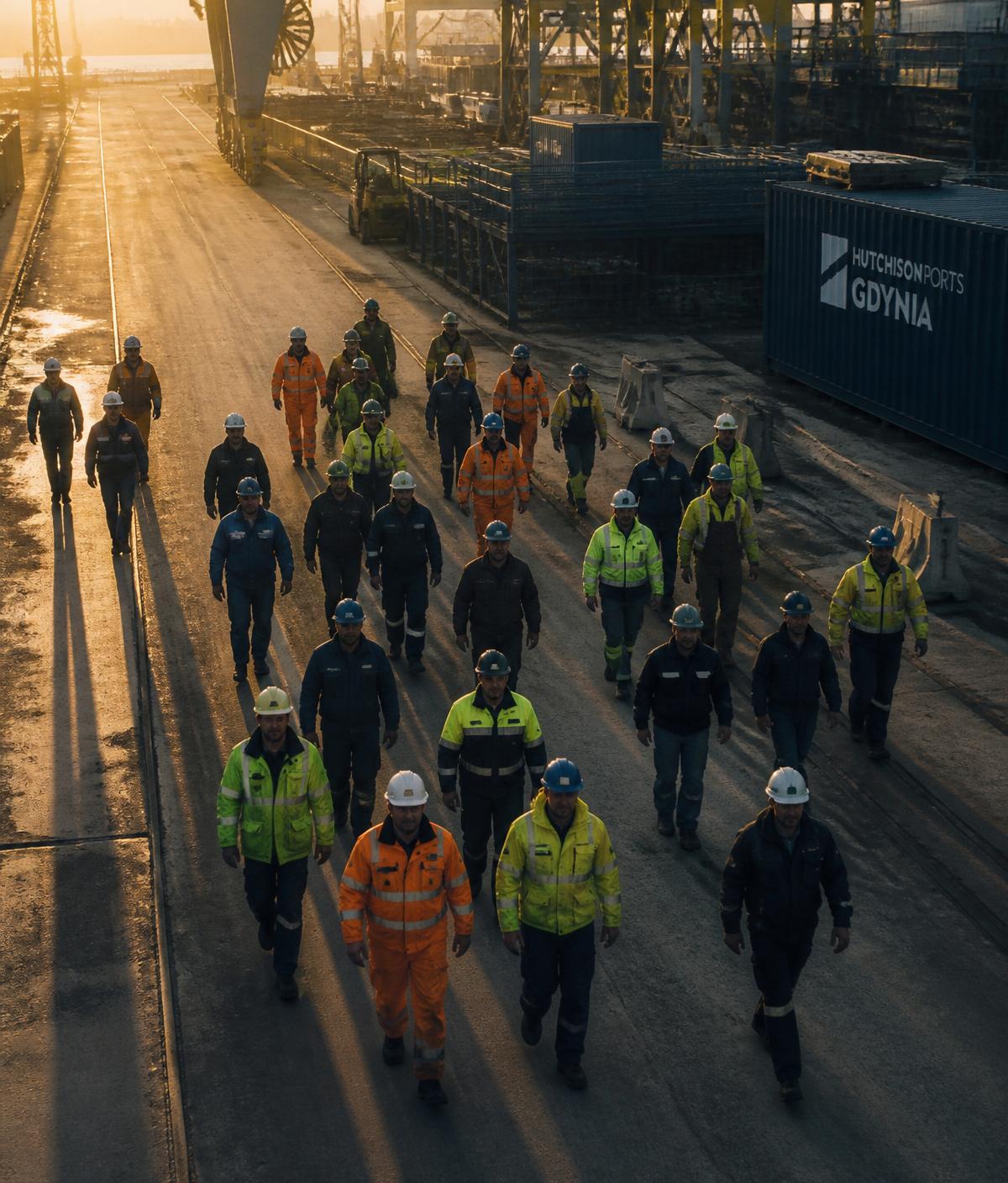
Direct answer: the best European countries for blue-collar jobs are the ones where your trade, employer offer, documents, language and permit route match. For UAE-based workers comparing practical destinations, start with Germany, Poland, Czechia, Romania, Croatia, Portugal and France. Germany is strongest for recognised skilled trades. Poland and Czechia are practical for manufacturing, warehousing and logistics. Romania and Croatia can fit construction, hospitality and seasonal work when the employer is clear. Portugal is useful for hospitality, care, service and trades. France can work for language-ready candidates with a real employer and work authorization.
Table of contents
- How to use this shortlist
- Quick comparison
- The 7 best countries to compare
- Blue-collar visa rules that matter
- How UAE workers should choose
- Red flags before paying or resigning
- FAQ
How to use this shortlist
Search results for "best European countries for blue collar jobs" are mostly practical listicles. The leading pages tend to use a direct-answer intro, a ranked country list, salary ranges, common job titles, short visa notes, broad lifestyle comments and FAQs. The most relevant results are written for foreign workers, not only for corporate mobility teams. They usually mention construction, manufacturing, logistics, agriculture, hospitality, driving, cleaning, care and skilled trades.
The content gap is accuracy. Many pages say "visa sponsorship" or "easy Europe jobs" without separating three things: real employer demand, the immigration route and the worker's own documents. Europe is not one work-permit system. A factory role in Poland, an employee-card job in Czechia, a hotel role in Portugal and a qualified trade in Germany can all be blue-collar opportunities, but they use different authorities, fees, contract rules and evidence.
This guide was reviewed on 8 August 2026 against current search results and official sources. It is written for UAE-based candidates and employers comparing practical Europe routes, not for investors, digital nomads or highly paid executives. VisAVis is mentioned discreetly because its blue-collar overseas placement and permanent placement work sits in this Dubai-to-Europe lane, but the decision still has to come from a real role, a verified employer and the responsible country's rules.
Quick comparison
| Country | Best blue-collar fit | Route reality to check | Main caution |
|---|---|---|---|
| Germany | Qualified trades, technicians, drivers, care, industrial roles | Skilled-worker, professional-experience or recognition-linked route | Auxiliary work is not enough for the qualified-professional visa |
| Poland | Factories, warehousing, logistics, food production, construction | Employer work permit or temporary residence and work permit | Fees, minimum pay and the exact employer route matter |
| Czechia | Manufacturing, warehouses, production, trades and service roles | Employee card tied to a listed job vacancy | The card is job-linked; check vacancy, employer and contract details |
| Romania | Construction, industrial, logistics, hospitality and seasonal work | Employer work authorization, long-stay visa and residence steps | Quotas, employer compliance and current fees must be checked |
| Croatia | Tourism, hospitality, construction, seasonal and service work | Stay and work permit or work registration certificate | Work is normally limited to the permitted job and employer |
| Portugal | Hospitality, care, cleaning, restaurants, trades and service work | Work visa or residence route tied to a contract or promise of contract | Lifestyle appeal does not remove document and appointment delays |
| France | Hospitality, care, logistics, cleaning, construction and food service | Employer work authorization and visa/residence route | French language and contract type can decide practical fit |
The 7 best countries to compare
1. Germany
Germany is the strongest first comparison for blue-collar workers who are genuinely skilled: electricians, welders, mechanics, industrial technicians, drivers, cooks, care workers and construction trades with documents to prove training or experience.
Germany's official Make it in Germany portal says the work visa for qualified professionals is for people with academic studies or qualified vocational training, and the job offered must be a qualified position. Auxiliary tasks are not sufficient. That is the key blue-collar distinction. A recognised trade or qualified vocational background can fit; an unskilled helper role usually needs a different route or may not fit at all.
Germany also has a route for people with practical professional knowledge in non-regulated professions. The official Skilled Immigration Act page says applicants generally need a qualification recognised by the country of training, at least two years of work experience in the occupation, and a German job offer with an annual gross salary of at least EUR 45,934.20 in 2026. For workers over 45 coming to Germany for the first time under the qualified-professional route, Make it in Germany lists a 2026 salary requirement of at least EUR 55,770 or adequate pension provision.
Best for: documented skilled trades and technical workers who can prove training, experience and job fit.
Start here internally: Germany opportunities and what European employers look for in blue-collar hires.
2. Poland
Poland is one of the most practical countries for workers comparing factory, warehouse, logistics, food production and construction roles. It often appears in commercial job-search results because employers in these sectors use foreign labour, but the process is still formal.
Poland's official MOS work-permit information says a work permit for a Polish employer is submitted electronically via praca.gov.pl and is subject to a fee of PLN 400, or PLN 200 when work is entrusted for up to three months. MOS also explains that a temporary residence and work permit is granted for more than three months and up to three years, with a PLN 440 fee for an employee route. For 2026, MOS states the remuneration for that permit must be at least the minimum wage, listed as PLN 4,806 gross per month regardless of working time.
That makes Poland useful, but not automatic. A candidate still needs a specific employer, role, contract terms and the right application path. Salary should be checked as net pay after accommodation, food, transport and deductions, not only as a gross number in a job ad.
Best for: manufacturing, warehousing, logistics, food production, construction and employer-sponsored operational roles.
Start here internally: Poland opportunities and best blue-collar recruitment agencies in Dubai.
3. Czechia
Czechia deserves a place on a blue-collar shortlist because its employee-card system is relevant to hands-on work, not only to university-level professionals. The official Czech immigration portal says an employee card is a long-term residence permit that lets third-country citizens stay and work legally in Czechia for more than three months. It also states that the employee card can be obtained for all kinds of employment regardless of required education and qualification.
The labour-office guidance adds an important practical point: the employee card is issued for a specific job vacancy, and vacancies available for employee cards are generally jobs that could not be filled by Czech or EU workers. That makes Czechia attractive for production, warehouse, factory, trades and service roles where the vacancy is real and listed correctly.
Czechia is not a shortcut around due diligence. The job, employer, location, contract, accommodation and agency fee model still need checking. The role should be visible and explainable before a worker resigns in the UAE or pays document costs.
Best for: production, manufacturing, warehouse, service and trade roles with a specific listed vacancy.
4. Romania
Romania is a practical comparison for construction, logistics, manufacturing, hospitality and seasonal work. It may not be the first country candidates name, but it can be relevant when a Romanian employer has a real vacancy and the recruiter can explain the authorization sequence.
Romania's General Inspectorate for Immigration says the employer pays a work-permit tax equivalent to EUR 100 in RON for permanent, deployed, cross-border, trainee, high-skilled and au pair categories, and EUR 25 for seasonal workers. The same official employment page explains the employer-side nature of the employment or posting notice process. In practice, candidates should ask which category applies and who is responsible for each document.
Romania can be useful for blue-collar workers who value a realistic employer route over a famous country name. The risk is accepting a vague "Europe job" before the employer, job title, salary, accommodation and permit category are clear.
Best for: construction, industrial, logistics, hospitality and seasonal roles where the employer process is documented.
Start here internally: Romania opportunities.
5. Croatia
Croatia is especially relevant for hospitality, tourism, construction, cleaning, logistics and seasonal work. It can suit candidates who are open to the Adriatic and Central European labour market instead of aiming only at Germany or Portugal.
Official Croatian investment guidance states that the Ministry of the Interior is competent for residence and work permits and work registration certificates. It explains that a third-country national may work in Croatia based on a residence and work permit or a work registration certificate, unless an exception applies. It also says that, as a rule, a third-country national may work only in the jobs and for the employer covered by the permit or certificate.
Croatia's 2026 Aliens Act amendments also matter for longer planning. Official guidance notes new employer conditions and worker-rights provisions, and says a Croatian-language A1.1 requirement for renewal will enter into force on 4 June 2027. Candidates should not treat this as a barrier to every first application, but they should treat language as a real long-term requirement.
Best for: tourism, hospitality, construction, seasonal work, cleaning and employer-sponsored service roles.
Start here internally: Croatia opportunities.
6. Portugal
Portugal is popular in UAE relocation searches because it feels accessible: hospitality, restaurants, cleaning, care, trades and service roles are easier for candidates to imagine than highly specialised routes. The official rules still need attention.
Portugal's gov.pt temporary-stay visa service for subordinate or independent work was updated in March 2026 and lists a consular application route, a EUR 75 service cost and a 30-day service period. For subordinate temporary work, the page refers to a work contract or promise of contract for temporary professional activity, with seasonal work also involving IEFP confirmation that the offer is available to third-country nationals.
Portugal's official work guide, updated in June 2026, says a foreign person working in Portugal has the same rights and duties as a Portuguese national. It also explains that regulated professions require recognition by the competent national authority. For blue-collar candidates, that means Portugal can be very practical for service and hospitality, but documents, contracts and regulated-role checks still matter.
Best for: hospitality, cleaning, care, restaurant, service and trade workers with realistic salary and housing expectations.
Start here internally: Portugal opportunities and document legalisation from the UAE.
7. France
France can work for blue-collar candidates, but it usually requires more language and employer clarity than candidates expect. Hospitality, care, cleaning, food service, logistics and construction roles exist, yet the employer-side work authorization process is central.
France's Service-Public guidance, verified on 18 June 2026, says an employer who wants to hire a non-European foreign employee in France must first obtain a work permit, unless the worker's visa or residence permit already allows employment. Official regional DREETS guidance says employer applications for foreign-employee work authorization are submitted online through the administration-etrangers-en-france portal for permanent contracts, fixed-term contracts and seasonal employment.
France is strongest when the worker has some French, the employer is named, the contract type is clear and the agency can explain who files the authorization. It is weak when the pitch is only "France job" without employer, worksite, salary, accommodation and document details.
Best for: language-ready workers in hospitality, care, cleaning, construction, logistics and food service with a specific employer.
Start here internally: France opportunities.
Blue-collar visa rules that matter
First, "Europe" is not one work visa. The European Union's immigration guidance explains that EU and national rules overlap, but individual EU countries decide applications for their own residence and work routes. Your permit must match the country where you will live and work.
Second, the EU Blue Card is usually not the blue-collar path. The European Commission describes the EU Blue Card as a route for highly qualified workers with a qualifying work contract or binding job offer of at least six months, qualification evidence and a salary meeting the relevant member-state threshold. Some technical workers may qualify if their role and qualifications meet the standard, but many blue-collar roles use national permits instead.
Third, labour shortages are not approvals. EURES reported in June 2026 that shortages remain widespread but uneven across Europe, with hands-on roles such as welders, electricians, plumbers and roofers appearing in shortage discussions. Shortage data can help you decide where to search, but it does not replace a job offer, permit form, employer responsibility, document check or authority decision.
Fourth, recruitment fees need written explanation. UAE Government labour and visa fraud guidance says the employer is responsible for recruitment expenses under UAE Labour Law for UAE employment. Europe-bound recruitment can still involve government, document, attestation, translation, medical, travel or accommodation costs, so workers should ask who pays each category before paying anything.
How UAE workers should choose
Start with the exact job
Do not choose "Germany" or "Portugal" first. Choose "TIG welder," "warehouse picker," "CNC operator," "hotel housekeeper," "forklift driver," "bus driver," "cook," "cleaner" or "electrician." Then compare countries where that exact role has demand and a workable route.
Match your documents to the route
Blue-collar workers often lose time because the job is real but the documents are weak. Prepare passport validity, UAE residence status, experience letters, trade certificates, driving licence categories, police clearance, medical records, education records, translations and attestations before a deadline becomes urgent.
Compare net income, not only gross salary
Accommodation, transport, tax, food, deposits, agency deductions and overtime rules can change the real value of a job. A lower salary with stable housing may beat a higher salary where rent is unknown. Ask for written contract terms.
Check language honestly
English may work in some warehouses, factories, hotels and international teams. It is not universal. Safety instructions, customer contact, driving, care work and regulated trades can require German, Polish, Czech, Romanian, Croatian, Portuguese or French.
Verify the employer before resigning
Ask for the employer's legal name, worksite, country, job title, gross salary, expected deductions, accommodation, permit route, government fees and document list. A serious recruiter can say what is confirmed, what is pending and what the authority decides.
Red flags before paying or resigning
Be cautious if anyone says:
- "Guaranteed Europe work visa."
- "Pay now and the employer will be revealed later."
- "A Schengen visa lets you work anywhere in Europe."
- "No language is ever needed."
- "The salary is tax-free like Dubai."
- "You can switch countries immediately after arrival."
- "The permit is already approved" before official documents exist.
- "Leave your original passport with us until the process finishes."
The best European country for a blue-collar worker is not the country with the most attractive social-media salary screenshot. It is the country where the role, employer, contract, permit route, language, housing and documents are all real at the same time.
Informational disclaimer: this article is general information for UAE-based candidates and employers comparing European blue-collar work destinations. It is not legal, immigration, tax, recruitment or employment advice. Rules, fees, forms, salary thresholds, quotas and processing practices can change, and individual outcomes depend on nationality, qualifications, employer, country and responsible authority. Always confirm your case with the official authority or an appropriately licensed professional before acting.
Official sources checked
- EURES labour shortages and surpluses in Europe
- EURES labour market imbalances, June 2026
- EU immigration responsibility and national decisions
- European Commission EU Blue Card
- UAE Government labour and visa fraud guidance
- Germany work visa for qualified professionals
- Germany Skilled Immigration Act
- Poland MOS work permit
- Poland temporary residence and work permit
- Czechia employee card
- Czech Labour Office employee-card vacancies
- Romania employment and posting, IGI
- Croatia work permits and visas
- Portugal temporary-stay visa for work
- Portugal work guide
- France work authorization, Service-Public
FAQ
What is the best European country for blue-collar jobs?
There is no single best country for every worker. Germany is strongest for qualified trades, Poland and Czechia are practical for manufacturing and logistics, Romania and Croatia can fit construction, hospitality and seasonal roles, Portugal can work for service and hospitality, and France rewards candidates with language fit and a clear employer.
Can blue-collar workers get visa sponsorship in Europe?
Yes, but sponsorship is country-specific and usually depends on a real employer, job title, contract, salary, documents and the responsible authority's decision. A recruiter cannot issue or guarantee a European work permit.
Is the EU Blue Card for blue-collar workers?
Usually no. The EU Blue Card is for highly qualified employment with a qualifying offer and salary threshold. Many blue-collar candidates use national work permits, employee cards, seasonal routes or skilled-trade routes instead.
Should UAE-based candidates pay upfront for Europe blue-collar jobs?
Be cautious with upfront payments, especially where a job or permit is promised. Ask who pays each recruitment, government, medical, document, translation, travel and accommodation cost in writing before paying or resigning.